7 Mistakes You're Making with Foot Traffic in Colorado Springs (and How to Fix Them)
Seven practical ways Colorado Springs businesses can turn pedestrian attention into visits, sales and lasting local relationships.
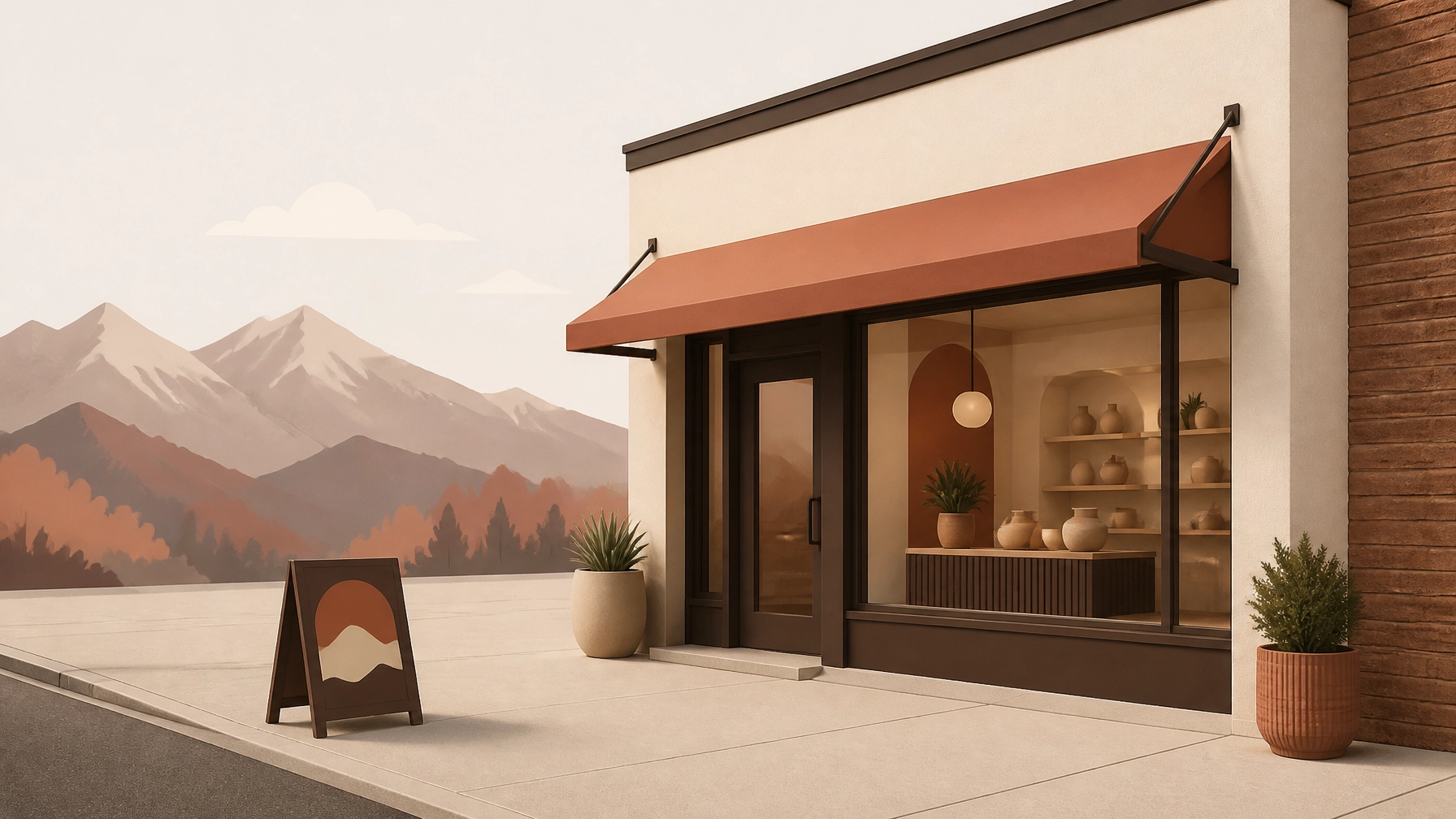
Operating a local business in Colorado Springs requires consistent foot traffic to remain viable. While our city continues to grow, simply being located on a busy street like Tejon or Colorado Avenue is no longer a guarantee of sales. Many business owners assume that a high volume of pedestrians naturally converts into revenue, but current data suggests otherwise.
In recent shopping seasons, downtown Colorado Springs saw a 27% increase in visitation, yet overall revenue for some sectors actually decreased. If you've noticed that your shop is busy but your register is quiet, you're likely making one of several common mistakes.
Here are seven mistakes you’re making with foot traffic in Colorado Springs and the direct steps you can take to fix them.
1. Assuming Traffic Equals Sales
The most common mistake is treating foot traffic as a goal rather than a raw resource. High pedestrian volume is merely the potential for business; it is not business itself. Many local shops fail to actively "convert" the people walking past their windows.
If your storefront is passive, pedestrians will treat it like background scenery. To fix this, you must provide a clear, immediate reason for someone to break their walking rhythm and step inside.
The Fix: Use "Today Only" offers or visible menu highlights placed at eye level on your windows. If you’re a service business, display a "Walk-ins Welcome" sign with a specific time estimate. Conversion requires a "hook" that is visible from the sidewalk, not just inside the store.
2. Waiting Out Construction and Roadwork
Colorado Springs is frequently undergoing infrastructure updates. From downtown utility work to corridor expansions, construction is a reality for local business owners. A major mistake is adopting a "wait and see" attitude when orange cones appear outside your door.
Waiting for construction to finish before ramping up marketing usually leads to a significant revenue drop that is hard to recover from. Passivity tells customers that your business is difficult to access or, worse, potentially closed.
The Fix: Proactive communication is essential. Update your Google Business Profile and social media with specific "Construction Shortcuts" or parking tips. Use temporary, high-visibility signage to guide people to your entrance. Consider a "Pardon Our Dust" special to reward loyal customers who make the extra effort to visit during roadwork.
3. Ignoring Post-Pandemic Buying Shifts
Consumer habits in the Springs have changed. People are eating out less frequently, and when they do, they are more price-sensitive. If you are still operating on 2019 hours or using a pre-pandemic pricing strategy, you are likely missing your new peak traffic windows.
Many businesses cut hours to save on labor, but they often do so without tracking when people are actually walking by. If you close at 5:00 PM but foot traffic on your block peaks at 6:00 PM, you are effectively turning away your most profitable customers.
The Fix: Track your walk-in patterns for two weeks. If the data shows a surge an hour before you close, adjust your hours to capture that traffic. Additionally, introduce "low-ticket" entry points, like a $5 grab-and-go snack or a small retail item, to encourage cautious shoppers to make their first purchase.
4. Failing to Capture Contact Info During Peak Events
Events like Small Business Saturday or the Festival of Lights bring thousands of people into downtown and Old Colorado City. However, many businesses treat these as "one-off" days. They process the sales but fail to build a bridge for a second visit.
If a customer visits during a festival and you don't capture their information, you've missed the chance to turn a tourist or a one-time visitor into a local regular.
The Fix: Set up a simple, fast way to collect email addresses or phone numbers at the point of sale. Offer an immediate incentive for a future visit: for example, "Sign up for our local newsletter and get 20% off your next visit in January." This turns a high-traffic event into a long-term lead generation tool.
5. Designing Signage for Cars, Not Pedestrians
In a city as spread out as Colorado Springs, it’s easy to focus on signage that drivers can see from 40 mph. While street-facing signs are important for brand awareness, they do very little to stop someone walking on the sidewalk.
If your primary sign is 15 feet in the air, a pedestrian walking directly underneath it may not even realize what your business sells. This is especially true in dense areas where storefronts are close together.
The Fix: Implement "blade signs" (signs that hang perpendicular to the building) or A-frame sidewalk boards. These should be readable from 20 feet away at walking speed. Your signage should answer three questions in three seconds:
- What is this place?
- Is it open?
- Why should I go in right now?
6. Treating Locals Like Tourists
Colorado Springs is a major tourist destination, but your sustainable growth comes from the people who live in Flying Horse, Rockrimmon, and Black Forest. A mistake many businesses make is failing to create a distinct "locals-first" experience.
If your marketing feels generic or strictly "touristy," local residents may feel the business isn't "for them." This leads to a lack of repeat visits, which are the backbone of any successful retail or restaurant operation.
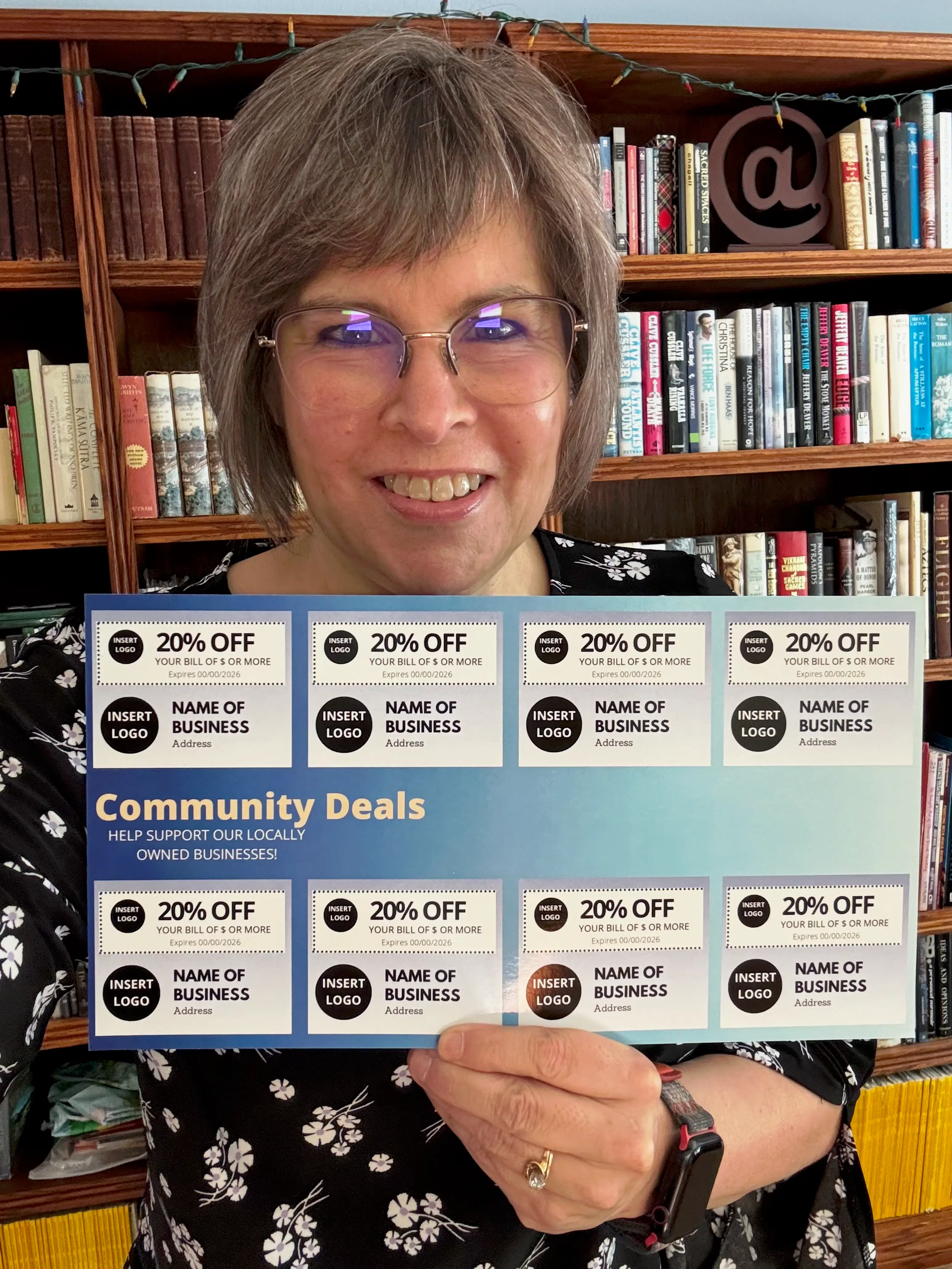
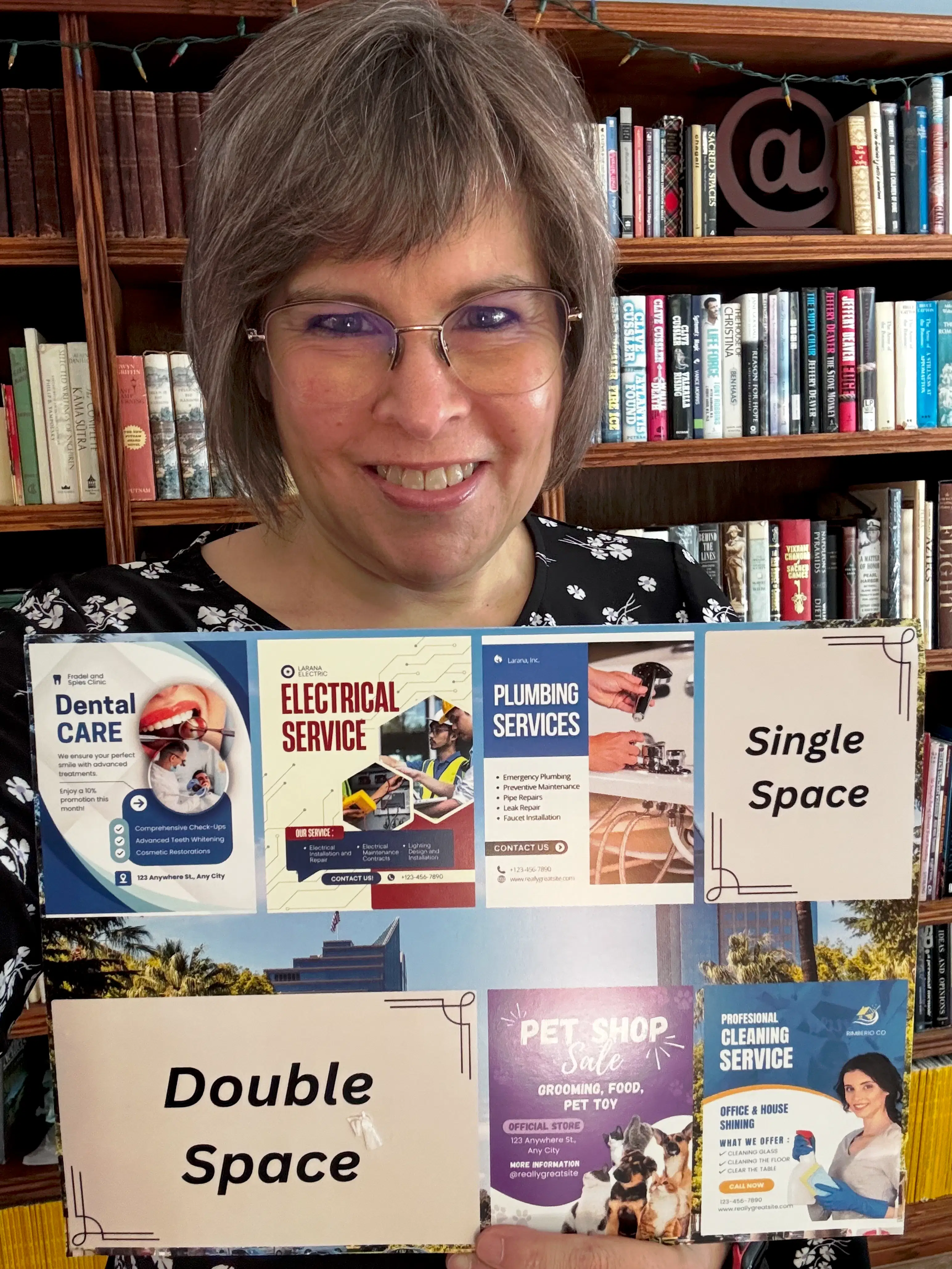
The Fix: Integrate into the community through localized marketing. Tools like Community Cards allow you to place your offer directly into the hands of your neighbors. By participating in a shared community mailer, you signal to residents that you are a local staple worth visiting regularly. This fosters a sense of loyalty that tourists cannot provide.
7. The Digital-to-Physical Gap
It looks like many businesses have a "ghost" presence online. A pedestrian might see your shop, pull out their phone to check your reviews or menu, and find outdated information or no digital presence at all. If your online "vibe" doesn't match your physical storefront, people will keep walking.
Inversely, you might have great social media but no physical indicators outside your shop that link back to your digital offers. This gap creates friction for the customer.
The Fix: Ensure your digital listings are identical to your physical reality. If you post a "Daily Special" on Instagram, it should be the first thing people see on a sign when they walk up. Use QR codes on your sidewalk signs to link directly to your menu or a digital coupon, making the transition from "interested passerby" to "paying customer" as seamless as possible.
Moving Toward a Solution
Identifying these mistakes is the first step toward increasing your foot traffic. However, fixing them often requires more than just a new sign or a social media post. It requires a coordinated effort to reach your neighbors where they live and invite them into your business.
At Community Cards : Zanekin Studio, we specialize in helping local businesses in Colorado Springs solve the foot traffic puzzle. Our community engagement program uses tangible, high-value cards to drive neighbors to your door and, more importantly, keep them coming back.
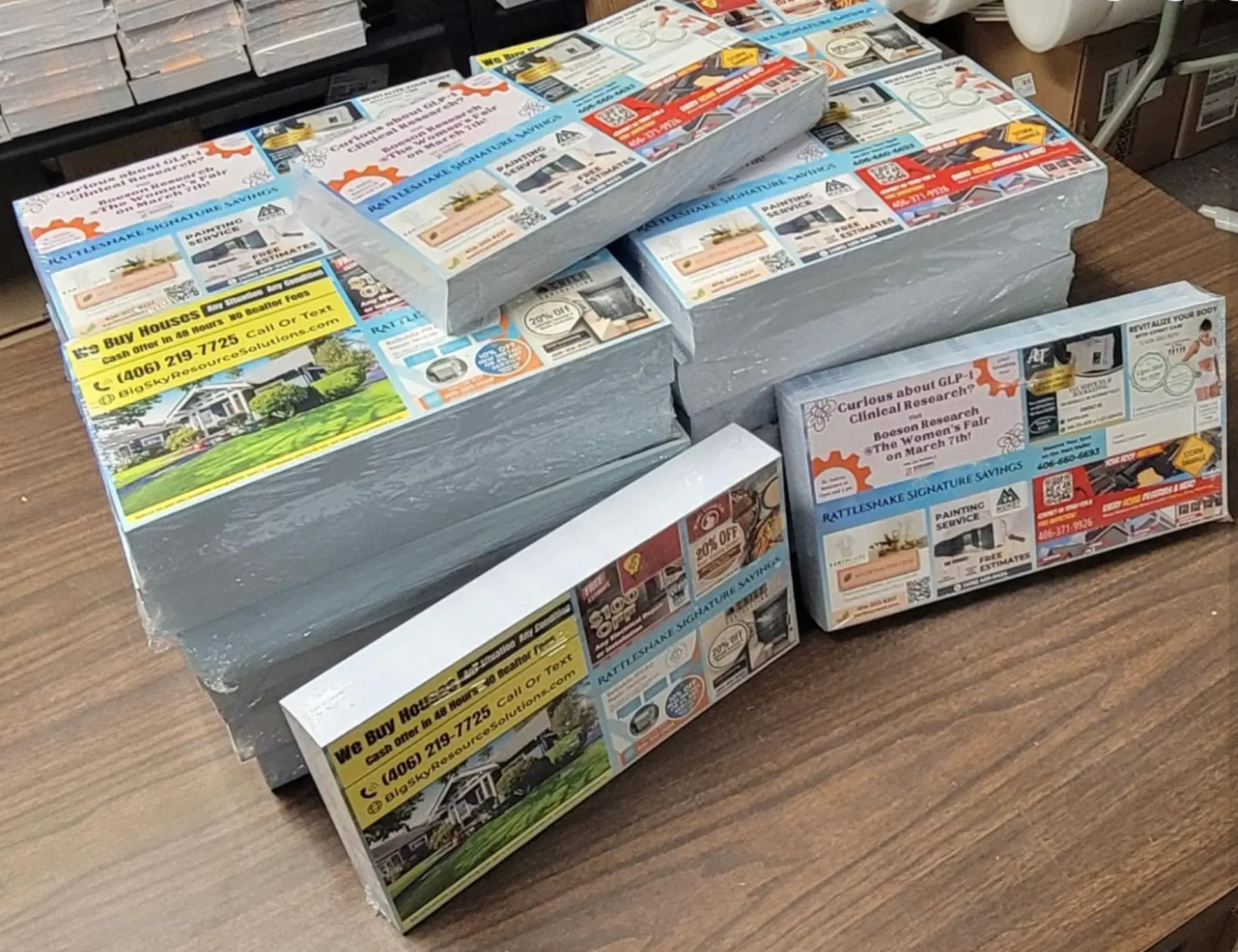
If you are ready to stop guessing and start growing, consider joining our next local mailer. We help you target specific neighborhoods like Monument, Gleneagle, and Woodmoor with professional, shared-cost advertising that works.
Next Steps:
- Audit your storefront: Walk across the street and look at your business. Is it clear what you do?
- Check your data: Are your hours aligned with when people are actually walking by?
- Engage the community: Claim your spot in our next Community Cards distribution to start building local loyalty today.
By focusing on conversion, clear communication, and community engagement, you can turn the "chaos" of foot traffic into a predictable stream of loyal customers.